


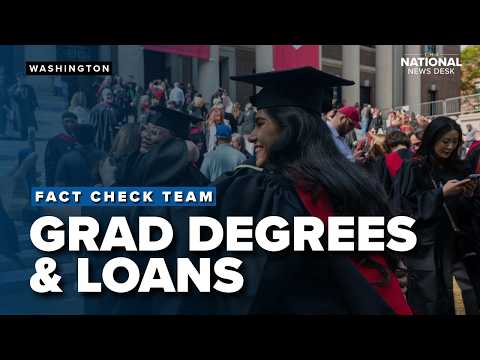
Private student loans are not eligible for federal loan forgiveness programs. But the government does offer some grants and subsidies to help make college affordable for low-income students. These include:
Pell Grants are available to undergraduate students who earn less than $30,000 per year. • Direct PLUS Loan Program—This program provides additional funding to parents whose children have been accepted to college and are enrolled at least half-time (no fewer than 12 credit hours).• Federal Stafford Loan—This loan program provides unsubsidized loans to undergraduate and graduate students who earn less than 120% of the federal poverty level.Students who choose to take out a private student loan should research repayment options and possible interest rates to determine if a private loan is right for them.
Public student loans, including federal student loans, are generally eligible for forbearance or deferral for economic hardship. If you qualify, you may be able to delay payments and save money while pursuing higher education. In addition, federal law requires schools to notify you annually of your eligibility for public loans.
3.
Iowa Federal Student Loans
I have a question about Iowa student loans. I’m not sure if they qualify as federal student loans or private loans. Can anyone please help me?
Thanks!
Iowa Federal Student Loans
A loan is a promise by the lender to you (the borrower) to provide money to you at some point in time in exchange for the payment of interest and repayment of principal over a period of time.
There are two types of student loans: federal loans and private loans.
Private loans do not require repayment until after graduation.
Before borrowing any type of federal loan, you need to know how much money you qualify for; what types of loans are available; how long they last; what your monthly payments will be; whether you have to pay back the loan along with interest; and if there is anything else you should know about these loans.
When deciding whether to borrow money for college, consider paying for school yourself using savings instead of relying on outside financial assistance.
If you decide to take out additional debt to help pay for college, make sure that you borrow only what you really need.
Borrowing too much could result in financial problems later in life. You might want to think twice before taking out a big loan just to finance your education.
Federal loans typically offer the lowest rates of interest, but they come with strings attached. These loans often carry penalties if borrowers miss payments or fail to repay them on time.
To get started, you’ll need to apply for a federal loan. Most colleges offer their own application forms, but you may need to go online to complete the forms. As soon as you apply, lenders will send you information about your eligibility and the amount of money you’re eligible to receive.
After you’ve applied for a federal loan, lenders will review your application. If they approve your request, you’ll get a letter telling you what you qualify for and what you can expect.
Your first bill will arrive once you start classes. Your lender will tell you about the first payment due date, including any fees or charges that are included.
While you’re still in high school, you have several options for repaying your loans. A few years ago, many students chose to use income-based plans. However, today’s repayment plans are called “pay as you earn.” Instead of having to repay fixed amounts, you now have the option of making smaller payments each month or even paying off your entire balance over a shorter length of time.
Repayment begins six months after you graduate. If you don’t enter repayment within three years, the remaining payments become dischargeable.
You can choose to consolidate your federal loans into a single monthly payment. But remember, consolidation won’t lower your monthly payments. In fact, it increases them.
Iowa Federal Student Loans
This video is about how Iowa’s university students can use their federal student loans to finance their education if they want to. Students should not have to choose between school and paying off their student loan debt.
Subscribe to our channel! Follow us on Twitter! Follow us on Facebook!For more information on the products and services described herein, visit the respective companies’ websites linked here below.
Music by APM:
Iowa Federal Student Loans
What exactly are Iowa Federal Student Loans?
The Iowa federal student loan program was implemented in 1993 as a result of federal legislation known as the Higher Education Amendments (HEA). The program provides loans and grants to students attending any accredited college or university in the state of Iowa. This includes both public and private institutions.
How do I get started getting Iowa federal student loans?
Before applying for Iowa federal student loans, you should first determine whether you are eligible for financial aid.You can use the FAFSA software at www.fafsa.ed.gov for this purpose. If you decide to go through the FAFSA, make sure you complete it accurately and thoroughly. Once you have submitted the application for financial aid, you may need to pay a fee to access your file. 3. Is there anything special I need to know before taking out Iowa federal student loans? Are there any costs associated with using them?
Once you have applied for financial aid, you will likely receive information regarding whether or not you qualify for free and low-cost education. Remember that interest rates on the loans can change over time. Check with any lenders you are interested in working with to ensure they offer the lowest possible rate for you.
When does Iowa’s federal student loan repayment begin?
Your Iowa federal student loan payments start after you graduate or drop below half-time enrollment status. Depending on the type of loan you take out, your monthly payment could range from $0.00 per month to $200.00 per month. Your payment amount will vary based on the terms of your loan and the length of your grace period.
Can I get Iowa federal student loans if I’m already enrolled in school full-time?
Yes! However, you may be able to defer your Iowa federal student loans until after you graduate or drop under half-time enrollment status unless you receive some sort of scholarship.
6: What kinds of Iowa federal student loans are available?
In addition to federal Stafford student loans available under the HEA, the Iowa government offers several types of non-traditional loans, including the Iowa Loan for Students with Disabilities (ILSD), the Iowa Non-Traditional Student Assistance Program (INTSAP), and the Iowa State Grants. Each of these programs provides different features and options. In order to choose the best Iowa federal student loan option for you, you’ll need to consider what would work best for your situation.
7. How much money can I borrow?
You can borrow up to $28,000 per academic year for undergraduate study, and up to $57,500 per year for graduate degrees. These amounts are subject to annual adjustment based on inflation.
►HEY, we’ve got more valuable information here: ►CLICK HERE LOANS FOR STUDENTS◄
►Cloud of related items ▼
bloque1x

Related Links ▼
- Studentaid.gov/understand-aid/types/loans
- Salliemae.com/student-loans/
- Discover.com/student-loans/
- Nerdwallet.com/best/loans/student-loans/private-student-loans
- Money.usnews.com/loans/personal-loans/personal-loans-for-students
- Credible.com/blog/student-loans/personal-loans-for-students/
- Govloans.gov/categories/education-loans/
- Forbes.com/advisor/student-loans/best-private-student-loans/
- Navyfederal.org/loans-cards/student-loans.html
- Wellsfargo.com/goals-going-to-college/loan-options/
- Whitehouse.gov/briefing-room/statements-releases/2022/08/24/fact-sheet-president-biden-announces-student-loan-relief-for-borrowers-who-need-it-most/
- Ed.gov/category/keyword/federal-student-loans
- Myfedloan.org/
- Navient.com/
- Usa.gov/student-loans
 English
 Afrikaans
 Albanian
 Amharic
 Arabic
 Armenian
 Azerbaijani
 Basque
 Belarusian
 Bengali
 Bosnian
 Bulgarian
 Catalan
 Cebuano
 Chichewa
 Chinese (Simplified)
 Chinese (Traditional)
 Corsican
 Croatian
 Czech
Czech Danish
 Dutch
Dutch Esperanto
 Estonian
 Filipino
 Finnish
 French
 Frisian
 Galician
 Georgian
 German
 Greek
Greek Gujarati
 Haitian Creole
 Hausa
Hausa Hawaiian
 Hebrew
 Hindi
Hindi Hmong
Hmong Hungarian
 Icelandic
 Igbo
Igbo Indonesian
 Irish
Irish Italian
 Japanese
 Javanese
 Kannada
 Kazakh
 Khmer
Khmer Korean
 Kurdish (Kurmanji)
 Kyrgyz
 Lao
Lao Latin
Latin Latvian
 Lithuanian
 Luxembourgish
 Macedonian
 Malagasy
 Malay
Malay Malayalam
 Maltese
 Maori
Maori Marathi
 Mongolian
 Myanmar (Burmese)
 Nepali
 Norwegian
 Pashto
 Persian
 Polish
 Portuguese
 Punjabi
 Romanian
 Russian
 Samoan
 Scottish Gaelic
 Serbian
 Sesotho
 Shona
Shona Sindhi
 Sinhala
 Slovak
 Slovenian
 Somali
 Spanish
 Sudanese
 Swahili
 Swedish
 Tajik
Tajik Tamil
Tamil Telugu
 Thai
Thai Turkish
 Ukrainian
 Urdu
Urdu Uzbek
Uzbek Vietnamese
 Welsh
Welsh Xhosa
Xhosa Yiddish
 Yoruba
 Zulu
Zulu