


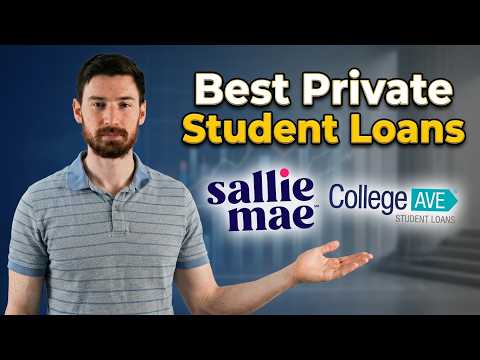
What are student loans? A loan is a financial resource given to someone who applies and receives approval. In return for receiving the loan, borrowers agree to pay back the lender over time, either in full immediately or in monthly installments. When the borrower pays back their entire loan balance, they are said to have repaid the principal. If some portion of the loan still remains outstanding at maturity, the borrower owes interest on the remaining amount until the entire loan is paid off, and the original principle amount plus accrued interest is then termed total debt.
Student loans are typically issued by banks and other lending institutions. According to the Federal Reserve Bank of New York’s Survey of Consumer Finances, in 2017, student loans were the second largest category of consumer debt (after mortgages) held by households. Students borrow money to finance higher education, mainly college tuition. These loans range in size according to the level of attendance and may require repayment over several years. Typically, these loans are issued only after students receive academic credit or satisfactory completion of coursework.
Private student loans differ from public ones because private lenders do not participate in the federal government’s student loan program. Instead, private lenders originate separate, privately negotiated agreements with universities and colleges. As a result, private loans tend to be less expensive than federal loans. However, private loans often carry significantly higher interest rates than federal loans.
How much does a private student loan cost me?
The average annual cost of a private student loan ranges between $1300-$2000 depending on the type of loan, term of the loan, and the school attended.
Where do I get Private Student Loan?
Student loans are typically originated by banks, credit unions and other financial services companies. Generally, the best way to find out if a company is willing to lend you money is to contact them directly via phone call or email. Most institutions will provide you with a list of references upon request. You could also check online for student loan lenders near you.
Do private student loans offer lower interest rates?
Yes! Because these loans are not underwritten by the Department of Education, they can offer much lower interest rates than federal loans-as low as 1%. Depending on the institution, private student loans for undergraduate students can sometimes even be free of interest payments.
Are there any downsides to using private student loans?
You should always consider the risks of borrowing money before signing on the dotted line. There are two main concerns: default risk and prepayment penalties. Default risk refers to the chance of the borrower paying back the loan without having to repay the entirety of what was borrowed. Prepayment penalties refer to the financial consequences of making early payments on a student loan. If a borrower fails to make enough payments, he/she will incur additional fees that will increase the amount owed.
How can I avoid getting stuck with high loan balances?
It is important to keep track of how much you owe on your student loans. Paying down your loan balances each month reduces what you owe over time and puts you in a better position to build equity.
Can I use my private student loan to buy a house?
Low Interest Private Student Loans
Student loans are always a big issue and if you do not have good credit, then it becomes even worse. A private student loan is nothing like a government loan; these are usually low-interest rates and are ideal for students who want to go to school. But what about those of us who already have student loans? What kind of options do we have?
There are many different types of private student loans that are offered out there. These loans vary in terms of interest rate, term, and monthly payment amount. Generally, the lower the interest rate, the longer the repayment period.
Here are some things to consider before applying for private student loans:
If you don’t live in the right area, make sure private student loans are available to you.
Apply early! You should apply between 2 months prior and 1 month after you start classes. This way, you can get the lowest possible interest rate.
Make sure you read over the fine print carefully. Private student loans are not always as straightforward as they seem.
Find out what type of private student loan works best for you. For instance, some companies may offer “pay as you earn” plans where you only pay off the principal at the end of the loan. Others may give you the option of paying back the principal plus interest throughout.
Don’t forget to keep track of payments and how much you owe. Also, check the company’s website regularly to avoid surprises.
Ask yourself whether the loan is worth it. Will the money be enough to cover tuition costs? And remember to ask yourself if it makes sense to take out a loan instead of working harder to save up?
These are just a few things to think about when considering private student loans. Make sure you know exactly what you’re doing before going ahead with it.
Low Interest Private Student Loans
Federal Direct Loan Program – (Direct loans)
The federal direct loan program was created in 1992 and is sponsored by the Department of Education. These loans were designed to help students pay for their education costs and they are not based on any credit score. Students have three options for the type of loans offered- subsidized, unsubsidized, and private. Subsidized loans require payments while unsubsidized loans do not require payment until after graduation. Private student loans are only given out by banks or lending companies.
Perkins Loan – (Private loans)
Perkins loans are privately funded and originated by banks and lenders. Unlike public direct loans, these loans are not guaranteed by the federal government. They may carry higher interest rates than federally funded programs. However, their maximum amount allowed is $23,250 in 2019.
Parent PLUS Loan – (Parent loans)
Plus loans are provided to parents, guardians, or legal custodians who are providing financial assistance (i.e., paying tuition, room, board, books, fees, etc.) for their child’s postsecondary education. Parents who take out a plus loan will pay back a percentage of the loan amounts over 10 years and then the remaining balance on those loans at the end of 10 years. This program carries no origination fee, however, there could be an annual fee if the parent chooses to consolidate the loans.
Grad Plus Loan – (Graduate loans)
Gradplus loans provide money to graduate students to cover educational expenses. Graduate students usually receive some kind of scholarship or grant for their studies. Graduate schools often make graduates repay a portion of their stipend at the time of enrollment. In order to receive funds, graduate students need to complete the Free Application for Federal Student Aid (FAFSA). There are many different types of grad plus loans, including federal, state, private, and institutional loans.
Low Interest Private Student Loans
What are Private Student Loans?
Private student loans are essentially short term unsecured personal loans. These are not guaranteed by any federal financial institutions and are generally provided by private lenders. Private student loans are often referred to as non-federal loans since they do not receive direct government funding. They have lower interest rates than traditional federal student loans. You can get low interest rate private student loans even if you don’t have any credit history at all. However, it’s recommended to apply for the loan after receiving some type of verification. Most private schools offer scholarships to students who qualify, and you can use these funds as collateral. Private student loans are great for those who are looking for quick cash without having to submit a lengthy application and wait for approval.
How Can I Get One? If You Have A Good Credit Score…
If you have a good credit score (700+), then it may take less time to get approved for a private student loan. You can find numerous websites that specialize in providing student loan services. Be sure to check out their qualifications before applying for a loan. Also, make sure you read reviews about a particular website before applying.
3….Or An Excellent Credit History
You should try to improve your credit rating before getting a loan. A poor credit rating could mean it takes longer to get approved for the loan. In addition, it can negatively affect your chances of being offered a competitive loan rate. There are many ways to improve your credit rating including paying off bills on time, making payments regularly, and maintaining a positive payment history.
What Are The Requirements?
The requirements for a private student loan vary depending on where you’re located and what type of school you want to attend. Generally, however, you’ll need to complete a standard loan application, provide proof of enrollment, verify income, and supply additional documentation related to tuition costs.
Low Interest Private Student Loans
Student loans are not only expensive, they are also a burden to many people who are trying to get their first jobs after college. There are some schools out there that offer low interest private student loans (LIPSL) that make things easier on students looking for money for tuition and books. Here’s what you need to know about LIPSLs before you apply:
You’ll have to go through a credit check – Though this may seem obvious, make sure you understand how these reports work. A lot of companies report information on a person’s credit history without actually taking action on any potential risk. You’re going to want to shop around and read reviews to find lenders that don’t do this. Remember, if you have bad credit, you might be denied even though you qualify for the loan.
Your lender will determine your repayment plan – Unlike government student loans, you won’t always get a fixed rate. Instead, you’ll probably get a variable rate that could rise over time. This means you could pay more than double the original amount borrowed with inflation factored in. You should try to lock in a fixed rate when you take out your loan.
You will have to fill out additional forms – Even though you’re borrowing less than $10k, some lenders still require extra paperwork. Don’t worry; you can ask them for everything in writing so you never miss a thing.
Rates may change at any time – Just because you borrow $500 today doesn’t mean you’ll always pay that much. Inflation rates are unpredictable, and lenders don’t always add interest to future payments. So, you might end up paying more than expected. If this happens, talk to your lender immediately.
Repayments start right away – You’ll pay back the entire amount you borrowed regardless of how long you were enrolled in school. So, if you took out $7,000 for school, you’d be responsible for making monthly repayments of $70 per month for seven years. After that, you’d continue to make smaller payments until your balance was paid off.
You won’t have to consolidate debt – Consolidating your debts makes sense if you owe a lot of money to different creditors. For example, suppose you borrow $5,000 from your bank and then also owe $8,000 to your credit card company. By doing this, you reduce the total amount of interest you pay each month. But, you’ll have to take out a new loan and give up the old one.
►HEY, we’ve got more valuable information here: ►CLICK HERE LOANS FOR STUDENTS◄
►Cloud of related items ▼
bloque1x

Related Links ▼
- Studentaid.gov/understand-aid/types/loans
- Salliemae.com/student-loans/
- Discover.com/student-loans/
- Nerdwallet.com/best/loans/student-loans/private-student-loans
- Money.usnews.com/loans/personal-loans/personal-loans-for-students
- Credible.com/blog/student-loans/personal-loans-for-students/
- Govloans.gov/categories/education-loans/
- Forbes.com/advisor/student-loans/best-private-student-loans/
- Navyfederal.org/loans-cards/student-loans.html
- Wellsfargo.com/goals-going-to-college/loan-options/
- Whitehouse.gov/briefing-room/statements-releases/2022/08/24/fact-sheet-president-biden-announces-student-loan-relief-for-borrowers-who-need-it-most/
- Ed.gov/category/keyword/federal-student-loans
- Myfedloan.org/
- Navient.com/
- Usa.gov/student-loans
 English
 Afrikaans
 Albanian
 Amharic
 Arabic
 Armenian
 Azerbaijani
 Basque
 Belarusian
 Bengali
 Bosnian
 Bulgarian
 Catalan
 Cebuano
 Chichewa
 Chinese (Simplified)
 Chinese (Traditional)
 Corsican
 Croatian
 Czech
Czech Danish
 Dutch
Dutch Esperanto
 Estonian
 Filipino
 Finnish
 French
 Frisian
 Galician
 Georgian
 German
 Greek
Greek Gujarati
 Haitian Creole
 Hausa
Hausa Hawaiian
 Hebrew
 Hindi
Hindi Hmong
Hmong Hungarian
 Icelandic
 Igbo
Igbo Indonesian
 Irish
Irish Italian
 Japanese
 Javanese
 Kannada
 Kazakh
 Khmer
Khmer Korean
 Kurdish (Kurmanji)
 Kyrgyz
 Lao
Lao Latin
Latin Latvian
 Lithuanian
 Luxembourgish
 Macedonian
 Malagasy
 Malay
Malay Malayalam
 Maltese
 Maori
Maori Marathi
 Mongolian
 Myanmar (Burmese)
 Nepali
 Norwegian
 Pashto
 Persian
 Polish
 Portuguese
 Punjabi
 Romanian
 Russian
 Samoan
 Scottish Gaelic
 Serbian
 Sesotho
 Shona
Shona Sindhi
 Sinhala
 Slovak
 Slovenian
 Somali
 Spanish
 Sudanese
 Swahili
 Swedish
 Tajik
Tajik Tamil
Tamil Telugu
 Thai
Thai Turkish
 Ukrainian
 Urdu
Urdu Uzbek
Uzbek Vietnamese
 Welsh
Welsh Xhosa
Xhosa Yiddish
 Yoruba
 Zulu
Zulu